


What triple receptor agonist activity means for retatrutide buyers?
 by Nicholas Roberts · June 24, 2026
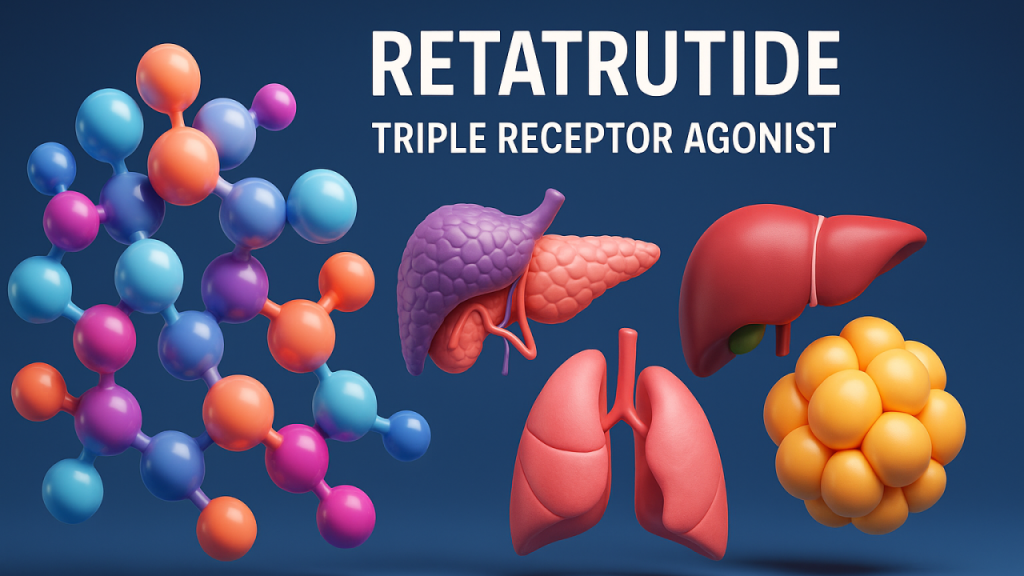
Triple receptor agonist activity describes a compound engineered to engage GLP-1, GIP, and glucagon receptors simultaneously through a single molecular structure. For researchers sourcing retatrutide for research use, this simultaneous engagement is the defining characteristic that separates it from dual or single agonist peptides previously studied in metabolic research contexts.
Each receptor pathway contributes an independent measurable signal, and concurrent activation produces experimental outcomes that narrower agonist structures cannot replicate. Laboratory focus frequently centres on how these three signals interact rather than examining isolated receptor responses. Procurement decisions are shaped directly by this complexity, raising characterisation expectations for every supplied batch. Confirming structural accuracy across all three receptor interactions becomes a baseline requirement before any experimental protocol proceeds.
Why does the glucagon receptor matter?
Glucagon receptor involvement distinguishes this compound from most peptide agonists studied in laboratory settings. Its inclusion introduces energy expenditure signalling into the experimental scope, expanding the range of measurable endpoints available to investigators working with triple agonist material.
Study designs built around this receptor target can address biological questions unavailable to GLP-1 or GIP exclusive compounds. Buyers sourcing material for documented research purposes select this compound precisely because three active pathways enable broader experimental territory within a single peptide structure.
- The endpoint range expands because each receptor generates separable yet overlapping measurable signals.
- Dose response mapping across three targets produces more layered data than dual agonist work.
- Cross-pathway interaction effects open additional analytical dimensions within study design.
Purity grades buyers need
Purity verification carries greater weight when a compound engages three receptor targets simultaneously. Structural inconsistency affects all three signalling interactions at once, which compounds interpretive difficulty across collected datasets. Standard documentation expected by research buyers includes HPLC purity grading, mass spectrometry confirmation, and complete sequence verification reports.
These records establish structural accuracy before experimental application begins. Reconstitution parameters and storage condition data are equally relevant, as triple agonist peptides remain sensitive to degradation under improper handling throughout the study period. Batch-specific certificates provide the traceability necessary to maintain data integrity across repeated experimental runs.
Buyer verification steps
Structured verification protects research integrity from the sourcing stage forward. Material acquired with thorough characterisation documentation supports reproducibility and strengthens conclusions drawn from experimental measurements throughout the study.
Research buyers typically complete several confirmation steps before establishing a supplier relationship:
- Reviewing third-party analytical certificates issued for each production batch.
- Confirming peptide identity against documented sequence specifications before use.
- Assessing chain of custody records covering synthesis through final delivery.
- Establishing storage and handling protocols aligned with the peptide’s confirmed stability profile.
Each verification layer strengthens the reliability of the data collected using the material. Triple agonist compounds reward sourcing discipline more than simpler structures because three simultaneous receptor interactions multiply the value of accurate, well-documented starting material in every experimental context.
Triple receptor agonist activity defines both the research scope and the sourcing standard expected of this compound. Buyers working within documented laboratory contexts benefit from matching verification practice to the molecule’s three pathway design, ensuring procurement supports the full range of scientific work the compound enables.

Written byNicholas Roberts
Tom Roberts: As a former Wall Street analyst, Tom provides clear, concise, and insightful commentary on financial markets and investment strategies.
You may also like...